
Tue–Sat 10:00–14:00 & 18:00–21:00 · Sun 10:30–18:00 · Monday closedDental emergency? +91 91334 31444

Everyday oral health support

Preventive & General Dentistry

Regular examinations, professional cleaning, fillings and practical home-care advice help identify concerns early and support long-term oral health.

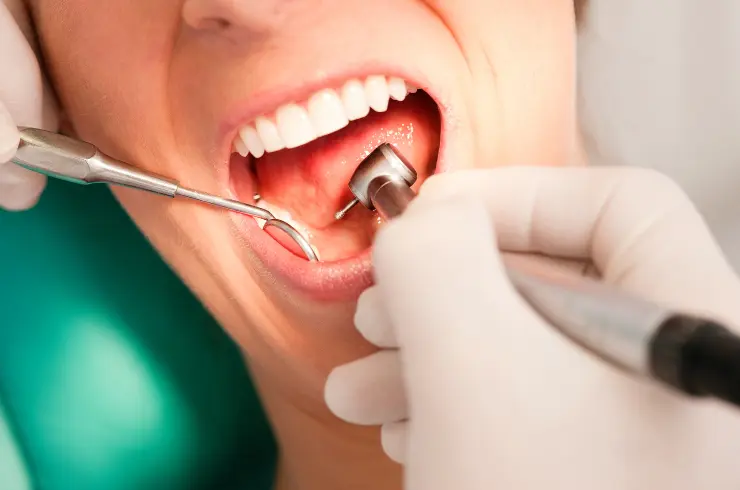
Dentist performing a professional dental cleaning

At a glance

What this treatment may help with

General dental care is tailored to your teeth, gums, medical history and individual risk of decay or gum disease rather than following the same schedule for everyone.

Reasons to arrange an assessment

  • A routine dental check-up is due
  • Tooth sensitivity, discomfort or a suspected cavity
  • Bleeding gums, tartar buildup or persistent bad breath
  • A filling feels rough, damaged or uncomfortable

Potential benefits

  • Finds tooth and gum concerns before they become more complex
  • Supports cleaner teeth and healthier gums
  • Restores teeth affected by suitable areas of decay or damage
  • Provides personalised brushing, interdental cleaning and diet guidance

An examination and suitable imaging are required before a dentist can recommend treatment. Website information is not a diagnosis.

Your care journey

What the process usually involves

The exact sequence and number of visits depend on your examination and treatment plan.

  1. 01

    Discussion

    The dentist reviews your concerns, health information and previous dental care.

  2. 02

    Examination

    Teeth, gums, bite and existing restorations are checked, with imaging only when clinically appropriate.

  3. 03

    Prevention

    Cleaning, fluoride support or home-care guidance may be recommended according to your needs.

  4. 04

    Treatment

    Suitable problems such as cavities or damaged fillings are addressed through an agreed treatment plan.

  5. 05

    Review plan

    Your dentist recommends an individual recall interval and explains what to monitor at home.

Helpful preparation

Before and after your appointment

Before treatment

  • Bring details of current medicines and relevant medical conditions
  • Tell the dentist about pain, sensitivity or gum bleeding
  • Continue normal brushing and interdental cleaning
  • Bring previous dental records or imaging if relevant and available

After treatment

  • Wait until numbness has fully worn off before chewing if anaesthesia was used
  • Follow any advice given for a new filling or professional cleaning
  • Continue brushing twice daily with fluoride toothpaste
  • Contact the clinic for persistent pain, swelling or a filling that feels high or loose

Questions

Common questions about preventive & general dentistry

How often should I have a dental check-up?

The right interval depends on your oral health and risk factors. Your dentist will recommend a schedule after examining you.

Does every check-up include an X-ray?

No. Dental imaging is recommended only when it is expected to provide useful information that cannot be obtained from the examination alone.

Will every small cavity need a filling?

Not always. Very early changes may sometimes be monitored or managed preventively, while established cavities usually need restoration. The dentist will explain the findings.

Book with confidence

Would you like to discuss preventive & general dentistry?

Request a preferred appointment time. Our receptionist will call within six hours to confirm.

CallWhatsAppBook